



 The One Home Repair You Should Never DIY
10 Signs Your Home Is Costing You More Than It Should
Is your home quietly draining your budget? Discover the top signs that your home costs are higher than they should be and learn how to cut down on excessive bills for a more affordable, efficient living space.

Posted by
Aria Vale
Published
December 3, 2025
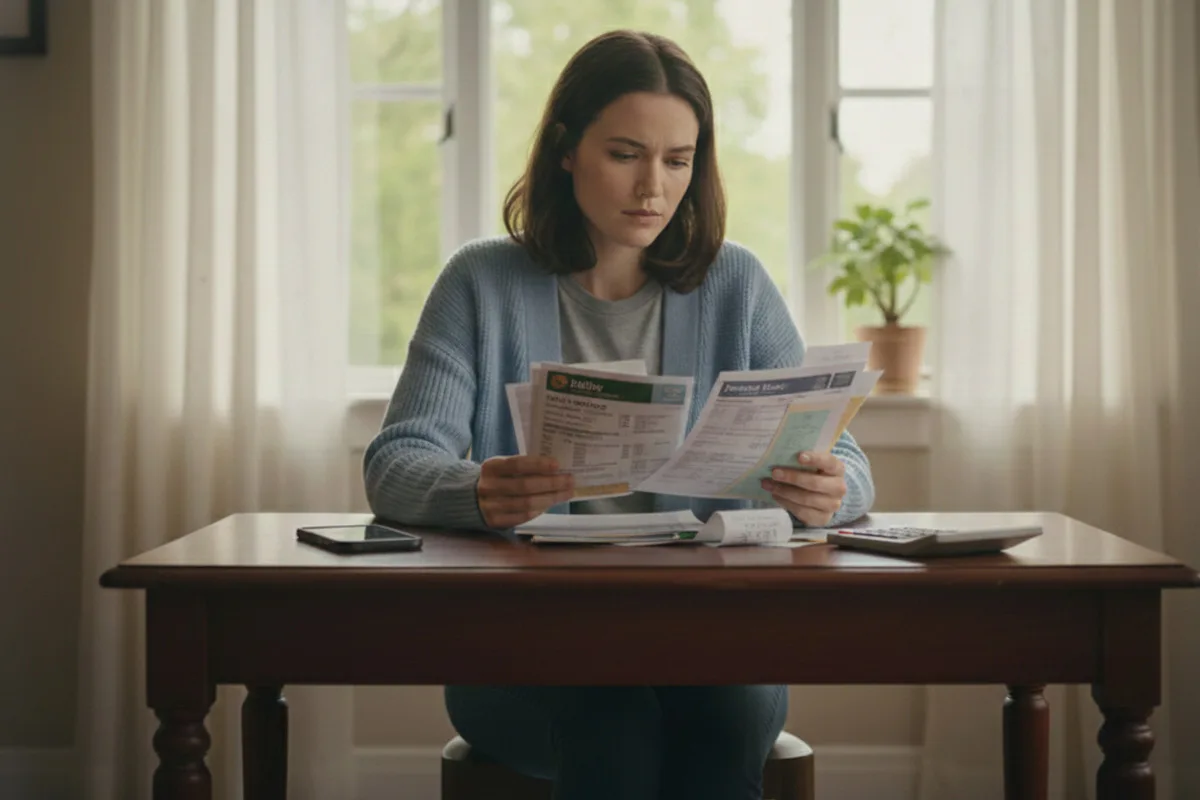
When managing household finances, it’s easy to overlook how much your home might be draining your budget. While owning or renting a place provides essential shelter and comfort, hidden expenses can quietly pile up, resulting in unnecessarily high home costs and excessive bills. Identifying the warning signs early can help you save money, improve efficiency, and ultimately make your home more budget friendly.
1. Unexpectedly High Utility Bills
One of the clearest indicators of excessive home costs is consistently high utility bills. If your electricity, water, or gas bills are much higher than average for your area or previous months, it’s time to investigate. Often, this is caused by outdated appliances, poor insulation, leaks, or inefficient systems like heating and cooling. Regularly comparing your bills with similar sized households can help highlight issues early.
Find Lower Home Repair Costs in Your Area
Most homeowners never hear about the hidden rebates, region specific incentives, and “demand offset” discounts available for major home repairs. But comparison tools make it easy to uncover these offers — helping you save thousands on projects like roofing, showers, siding, and more.
Entering your zip code takes seconds and instantly checks whether your area qualifies for reduced pricing.
| Service | Location | Benefit | Website |
|---|---|---|---|
Window Replacement |
Eligible Zip Codes | Compares Deals | Visit Website |
Roof Replacement |
Eligible Zip Codes | Compares Deals | Visit Website |
Shower Replacement |
Eligible Zip Codes | Compares Deals | Visit Website |
Siding Replacement |
Eligible Zip Codes | Compares Deals | Visit Website |
Bathroom Remodeling |
Eligible Zip Codes | Compares Deals | Visit Website |
Gutter Replacement |
Eligible Zip Codes | Compares Deals | Visit Website |
2. Poor Insulation and Drafts
A poorly insulated home leads to heat loss in the winter and heat gain in the summer, forcing your HVAC systems to work harder. This inefficiency directly increases energy consumption, contributing to higher home costs. If you frequently feel drafts around windows, doors, or walls, or notice cold spots inside your living space, it’s a sign that insulation improvements are needed.
3. Frequent Repairs and Maintenance
If you find yourself regularly calling for repairs—from plumbing issues to faulty wiring or a leaky roof—your home may be costing you more than it should. Older, neglected, or low quality homes often require constant attention, which adds up quickly. Proactive maintenance and timely upgrades can prevent small problems from becoming expensive nightmares.
4. Outdated Appliances and Systems
Energy hungry appliances like old refrigerators, furnaces, water heaters, and washing machines can significantly inflate your utility bills. Modern energy efficient models use far less power and water. Keeping outdated systems running might seem like a money saving measure in the short term but can lead to excessive bills that are avoidable with smart upgrades.
5. Inefficient Lighting
Believe it or not, lighting accounts for a considerable portion of your home’s electricity usage. If you’re still relying on incandescent bulbs or even inefficient compact fluorescents (CFLs), switching to LED bulbs can reduce energy consumption dramatically. Additionally, leaving lights on in unoccupied rooms adds unnecessary expenses. Small changes in lighting habits can cut down home costs effectively.
6. Unused or Underutilized Spaces
Spaces in your home that aren’t used or optimized can indirectly increase expenses. For example, heating or cooling empty rooms wastes energy. A large, unfinished basement or attic can contribute to energy loss if not sealed properly. Utilizing these spaces wisely or adjusting thermostat settings for unoccupied rooms can help minimize excessive bills.
Many Homeowners Don’t Realize They Can Access Cash
Check how much you could unlock in minutes >>
7. Water Waste and Plumbing Issues
Water leaks, running toilets, or inefficient fixtures may go unnoticed but can cause your water bills to skyrocket. Even a small drip can waste gallons of water over time. Installing low flow fixtures, regularly checking for leaks, and being mindful of water usage are effective steps to reduce home costs connected to water consumption.
8. High Property Taxes and Insurance Costs
Home costs extend beyond utilities and maintenance. Property taxes and homeowner’s insurance premiums can represent a significant portion of your monthly expenses. If these costs suddenly spike or seem disproportionately high for your area or property type, it’s worth reviewing your assessments and shopping around for better insurance rates.
9. Poor Energy Management Practices
How you manage your energy use plays a crucial role in your home’s overall cost. Leaving electronics plugged in, setting the thermostat too high or low, or neglecting to turn off appliances can cause bills to soar unnecessarily. Using smart thermostats, power strips, and energy monitors can provide better control and reduce excessive consumption.
10. Lack of Regular Budget Review
Finally, one of the main contributors to excessive home costs is simply not keeping a close eye on your budget. Without regularly reviewing your expenses, it’s easy for small excesses to accumulate unnoticed. Tracking your home costs, comparing bills month to month, and seeking professional advice when necessary ensures your spending stays in check.
Final Thoughts
Reducing the financial strain of home ownership or tenancy requires constant vigilance and informed decisions. By recognizing these signs that your home could be costing you more than it should, you empower yourself to take actionable steps toward savings. Whether it’s upgrading appliances, improving insulation, or adopting smarter energy habits, addressing these factors will help curb excessive bills and create a more cost effective living environment.


Posted by
Aria Vale