


 The “Too Good to Ignore” Home Perks in Your ZIP Code
12 Things That Quietly Drain Your Home’s Value
Many homeowners overlook hidden issues that quietly drain home value, from outdated fixtures to poor landscaping. Spotting and fixing these subtle problems can make a big difference when it’s time to sell.

Posted by
Juno Reyes
Published
December 3, 2025
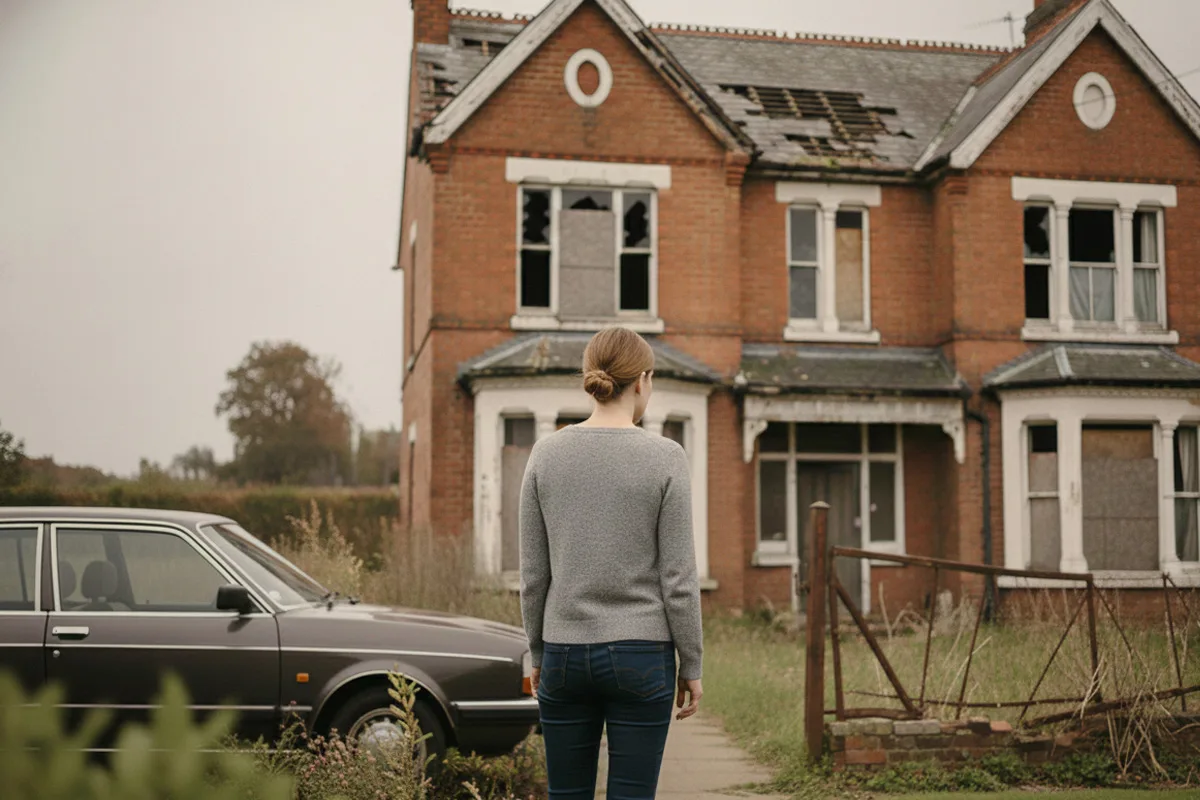
When considering the value of your home, it’s natural to focus on obvious factors such as location, size, and curb appeal. However, there are numerous subtle problems that can quietly erode your home value over time. These hidden issues may not be immediately visible, but they can significantly impact how much your property is worth when it comes time to sell. Understanding these common pitfalls can help homeowners take preventative measures and maintain the market appeal of their homes.
1. Neglected Maintenance and Repairs
One of the most common hidden issues that drains home value is deferred maintenance. Small problems like leaking faucets, chipped paint, or minor roof damage can escalate into costly repairs if ignored. Prospective buyers often view neglected maintenance as a sign that the rest of the house may have deeper, undisclosed problems, which can reduce the home’s market value.
Find Lower Home Repair Costs in Your Area
Most homeowners never hear about the hidden rebates, region specific incentives, and “demand offset” discounts available for major home repairs. But comparison tools make it easy to uncover these offers — helping you save thousands on projects like roofing, showers, siding, and more.
Entering your zip code takes seconds and instantly checks whether your area qualifies for reduced pricing.
| Service | Location | Benefit | Website |
|---|---|---|---|
Window Replacement |
Eligible Zip Codes | Compares Deals | Visit Website |
Roof Replacement |
Eligible Zip Codes | Compares Deals | Visit Website |
Shower Replacement |
Eligible Zip Codes | Compares Deals | Visit Website |
Siding Replacement |
Eligible Zip Codes | Compares Deals | Visit Website |
Bathroom Remodeling |
Eligible Zip Codes | Compares Deals | Visit Website |
Gutter Replacement |
Eligible Zip Codes | Compares Deals | Visit Website |
2. Outdated Fixtures and Finishes
Homes with outdated kitchens, bathrooms, or lighting fixtures tend to feel less appealing. Buyers are often looking for modern, updated features that require minimal immediate improvements. The presence of obsolete finishes—like old carpet, dated cabinetry, or worn countertops—can quietly lower the perceived value of a property.
3. Poor Landscaping and Outdoor Care
Curb appeal plays a significant role in establishing a positive first impression. Overgrown lawns, dead plants, or cluttered yards can suggest neglect. Even if the interior is pristine, poor outdoor care signals potential buyers that upkeep may be a concern, thereby diminishing home value.
4. Inefficient Energy Systems
In today’s eco conscious market, energy efficiency is increasingly important. Homes with old HVAC systems, single pane windows, or poor insulation can lead to higher utility bills, which is a major turnoff for buyers. These hidden issues can drive down home value, as buyers factor in the costs of upgrading these components.
5. Structural Issues
Unseen structural problems such as foundation cracks, sloping floors, or moisture intrusion can significantly affect safety and longevity. Even if concealed, these concerns come to light during professional inspections and can drastically reduce your home’s value due to the expensive repairs needed.
6. Inadequate Storage Space
Storage is a highly valued feature for many buyers. Homes that lack sufficient closets, cabinets, or garage space may be perceived as less functional, subtly undermining their value. Improving storage options without major renovations can enhance both appeal and worth.
7. Poorly Executed DIY Projects
While some homeowners take pride in their DIY improvements, poorly done renovations can hurt more than help. Inconsistent paintwork, shoddy tile jobs, or improper installations send a message of low quality that can deter buyers, ultimately impacting home value.
8. Out of Code Electrical or Plumbing Systems
Older homes may have outdated electrical wiring or plumbing that is no longer up to code. These hidden issues pose safety risks and require costly upgrades. Buyers and inspectors pay close attention to these elements, and the presence of code violations can reduce market value.
Many Homeowners Don’t Realize They Can Access Cash
Check how much you could unlock in minutes >>
9. Excessive Clutter and Personal Items
A cluttered home can distract buyers from seeing the space’s true potential. Excess personal items make it difficult to envision themselves living there, which can affect how much buyers are willing to pay. Staging and decluttering can greatly improve perception and value.
10. Unpleasant Odors
Odors, even subtle ones, are a significant hidden deterrent. Whether it’s from pets, smoking, mold, or cooking, odors linger and can put off potential buyers. These issues are often not visible but strongly influence the desirability and value of a home.
11. Noise Pollution
Homes located near busy roads, airports, or nightlife hubs may suffer from noise pollution, which isn’t always apparent until one visits multiple times or conducts a thorough inspection. Excessive noise can depress home value since many buyers prioritize peace and quiet in their living environment.
12. Poor Lighting and Ventilation
A home that feels dark, cramped, and stuffy can quickly lose appeal. Lack of natural light and inadequate ventilation contribute to an unpleasant atmosphere. These hidden issues can subtly reduce the perceived livability and value of a property.
Taking Action to Protect Your Home Value
Addressing these hidden issues requires vigilance and regular investment in home upkeep. Simple strategies include routine inspections, timely repairs, upgrading obsolete features, and enhancing curb appeal. By proactively managing these factors, homeowners can preserve and even improve their home value.
Final Thoughts
Ultimately, maintaining the overall health and appearance of your home goes beyond aesthetics—it’s about safeguarding an important financial asset. Being aware of these quiet value drainers ensures that you are prepared to address them before they escalate into costly problems, keeping your home attractive to buyers and competitive in the marketplace.


Posted by
Juno Reyes