


 The Debt Strategy That Works Even When You’re Overwhelmed
Why Minimum Payments Make Everything Worse (I Did the Math)
Making just the minimum payments on your credit card debt may feel manageable, but it often means youre mostly paying off debt interest, keeping your balance stubbornly high and stretching out your financial burden far longer than you think. Understanding how minimum payments work can be the first step to breaking free from this costly cycle.

Posted by
Juno Reyes
Published
November 26, 2025
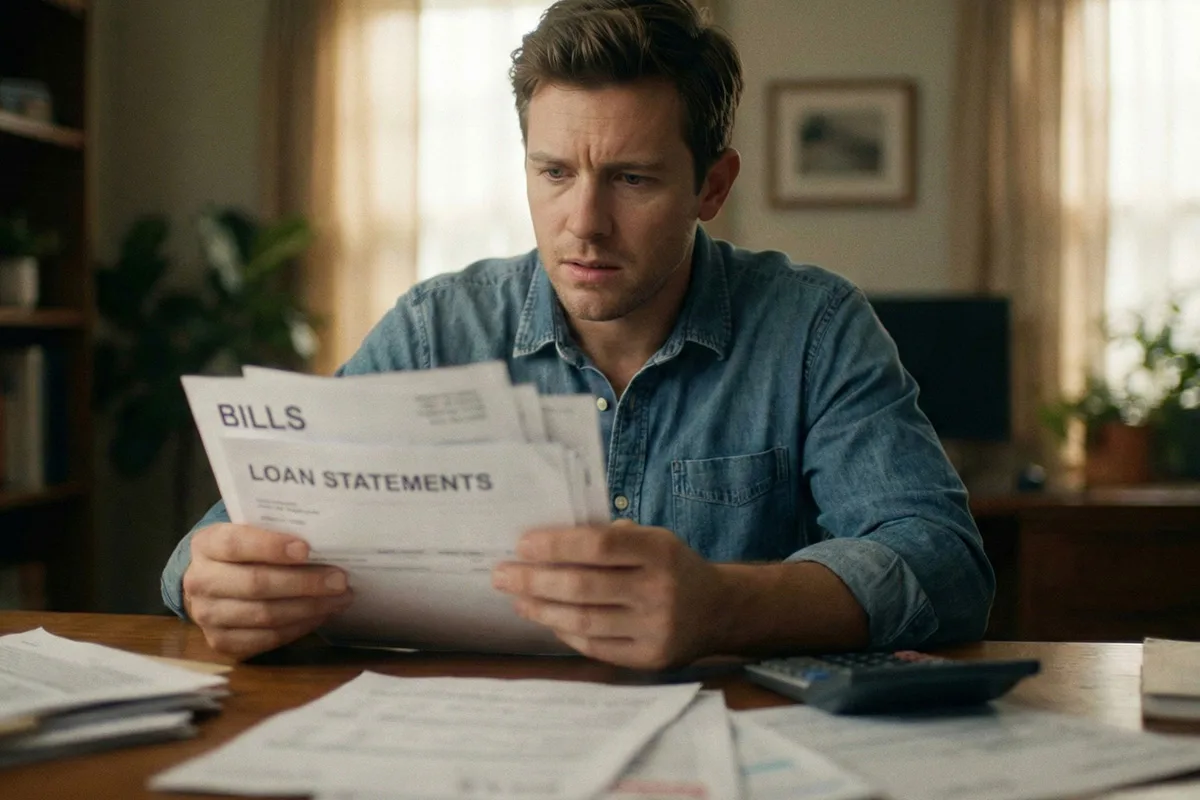
When faced with mounting credit card balances or other revolving debts, making the minimum payment might seem like a sensible approach. It keeps you in good standing, avoids late fees, and feels manageable month-to-month. But this seemingly harmless habit can actually trap you in a cycle of debt that grows more costly and frustrating over time. To truly understand why minimum payments make everything worse, we need to delve into the numbers and the real impact of debt interest on your financial health.
The Real Cost of Making Minimum Payments
At first glance, minimum payments may appear like a practical option. Typically, they are set at a small percentage of your outstanding balance—often around 2% to 3%—or a fixed dollar amount, whichever is higher. This means if you owe $5,000 on your credit card, your minimum payment could be as low as $100 to $150 per month.
However, these small payments are mostly covering the interest charges rather than reducing the principal balance. Debt interest, especially on credit cards, can be staggeringly high—often ranging between 15% and 25% annually. When you only cover the minimum, the unpaid principal remains almost the same, and interest compounds, increasing over time.
Fast Money Moves People Use to Tackle Debt Faster
When debt starts piling up, most people don’t overhaul their entire life — they look for simple ways to bring in a little extra money and gain momentum. One of the smartest tricks is stacking quick payouts from easy online tasks and putting that money straight toward balances. From short surveys to apps that pay instantly, these are some of the easiest ways people chip away at debt without feeling overwhelmed.
| Offer | Earning Potential | Task | Don’t Miss Out |
|---|---|---|---|
InboxDollars |
$225/month | Complete Surveys | Get Started |
FreeCash |
$1,000/month | Simple Online Tasks | Get Started |
GoBranded |
$140/month | Share Your Opinion | Get Started |
Kashkick |
$1,000/month | Try Out Apps | Get Started |
Solitaire Cash |
Up to $83 per win | Compete against players | Download Now |
Bingo Cash |
Up to $83 per win | Compete against players | Download Now |
How Debt Interest Amplifies Your Burden
Imagine carrying a $5,000 credit card balance with an 18% interest rate and making only minimum payments of 3%. Let’s break down what happens:
1. Minimum Payment Amount.
$5,000 x 3% = $150
2. Monthly Interest.
$5,000 x 18% / 12 months = $75
3. Principal Paid.
$150 – $75 = $75
In this case, only half of your minimum payment goes toward reducing the principal balance. It means after your first payment, your balance drops from $5,000 to $4,925. The following month, your interest is calculated on this slightly lower balance, but it still remains high relative to your payment.
This slow reduction of principal means you continue to pay interest on a substantial amount for a long period—sometimes even decades, depending on your debt size and payment habits.
The Shocking Math of Minimum Payments Over Time
Let’s take the example further using a simple amortization.
1. Original debt.
$5,000
2. Interest rate.
18% APR
3. Minimum payment.
3% of balance or $150 minimum
4. Payment increase as balance decreases.
If you maintain only the minimum payment each month, it could take over 25 years to pay off the debt, costing you nearly $8,000 in interest alone—more than the original amount you borrowed!
The “minimum payment” method traps borrowers in a long cycle because interest accrues faster than principal is paid down.
Why Minimum Payments Hinder Financial Progress
Beyond the numerical burden, minimum payments impede your ability to achieve financial freedom.
1. Limits Savings Growth.
Paying mostly interest leaves less money to save or invest.
2. Credit Score Impact.
Large ongoing balances relative to credit limits can hurt your credit utilization ratio, impacting your credit score negatively.
Debt Is Weighing People Down
See how they’re paying down balances with these 15 money moves >>
3. Emotional Stress.
Constantly seeing the balance barely budge can cause stress and discourage proactive budgeting.
Breaking Free: Strategies to Escape the Debt Trap
Understanding the math behind minimum payments motivates smarter financial decisions. Here are actionable ways to reduce debt interest and accelerate repayment:
Pay More Than the Minimum
Any extra dollar you pay goes directly to reducing the principal balance, cutting the amount that interest accrues on. Even a small increase in monthly payment dramatically shortens the payoff period.
Prioritize High Interest Debt First
Focus additional payments on the debt with the highest interest rate (often credit cards). After paying it off, roll those payments into the next debt—a method known as the snowball or avalanche strategy.
Negotiate Lower Interest Rates
Sometimes, a simple call to your credit card issuer can reduce your interest rate, which decreases how much interest accumulates each month.
Consider Debt Consolidation
Consolidating high interest debts into a lower interest loan can often save thousands in interest and speed up payoff.
Budget and Track Spending
Adopting a strict budget helps free up cash to pay down debt faster. There are many mobile apps and tools that can simplify this process.
Final Thoughts on Minimum Payments and Debt Interest
Making only minimum payments may keep creditors off your back temporarily, but it’s a financial strategy that ultimately worsens your money situation. The relentless build up of debt interest means you’re likely to pay far more than you expect, often taking decades to free yourself.
By understanding the staggering math behind minimum payments and how debt interest compounds, you are empowered to take control of your finances. Increase your payments, stay informed, and attack your debt with intention. It’s the surest path out of the costly minimum payment cycle and toward lasting financial freedom.


Posted by
Juno Reyes