



 7 Hidden Rebates Homeowners Rarely Claim
The Energy Mistakes Costing Homeowners Hundreds a Year
Many homeowners unknowingly fall into common energy waste traps that quietly inflate their utility bills each month. Discover simple efficiency tips to cut costs and create a cozier, more eco friendly home.

Posted by
Drake Hollis
Published
December 3, 2025
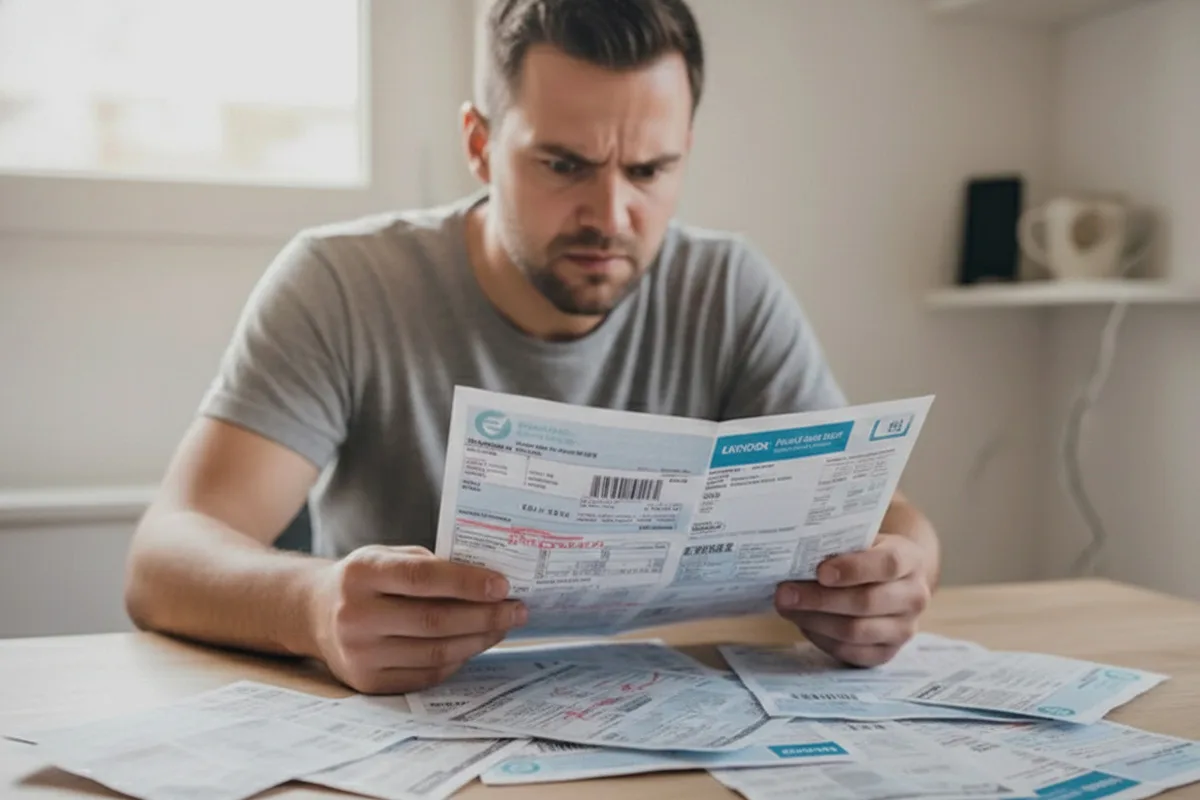
Homeowners often strive to manage their utility bills, but many unknowingly fall into common traps that lead to unnecessary energy waste. These inefficiencies not only increase monthly expenses but also contribute to a larger environmental footprint. Understanding the common energy mistakes and learning practical efficiency tips can help homeowners save hundreds of dollars annually while creating a more sustainable living environment.
Common Energy Mistakes Leading to Higher Bills
Many energy waste issues stem from habits or overlooked maintenance that, over time, accumulate significant costs. Here are some of the most frequent mistakes people make:
Neglecting HVAC System Maintenance
Your heating, ventilation, and air conditioning (HVAC) system is typically the largest energy consumer in the home. When filters are dirty or vents are blocked, the system works harder to achieve the desired temperature, wasting energy. A poorly maintained HVAC can increase energy bills by 5 to 15%, depending on the severity of the neglect.
Using Inefficient Lighting
Despite the widespread availability of energy efficient LEDs, many households still use incandescent or older compact fluorescent bulbs. These bulbs consume considerably more electricity and generate unnecessary heat, increasing cooling loads in warm months.
Leaving Electronics and Appliances on Standby
Devices in standby mode still draw power, a phenomenon often referred to as “phantom load.” This small but persistent energy waste adds up over time. Entertainment centers, computers, kitchen gadgets, and chargers are common culprits.
Poor Insulation and Air Leaks
Air leaks through doors, windows, and poorly insulated walls create drafts that make heating and cooling systems work overtime. This energy waste not only spikes bills but also causes discomfort within the home.
Overusing Water Heaters
Water heaters can be huge energy consumers when set too high or used inefficiently. Running water hotter than necessary or letting hot water run excessively contributes to this waste.
Find Lower Home Repair Costs in Your Area
Most homeowners never hear about the hidden rebates, region specific incentives, and “demand offset” discounts available for major home repairs. But comparison tools make it easy to uncover these offers — helping you save thousands on projects like roofing, showers, siding, and more.
Entering your zip code takes seconds and instantly checks whether your area qualifies for reduced pricing.
| Service | Location | Benefit | Website |
|---|---|---|---|
Window Replacement |
Eligible Zip Codes | Compares Deals | Visit Website |
Roof Replacement |
Eligible Zip Codes | Compares Deals | Visit Website |
Shower Replacement |
Eligible Zip Codes | Compares Deals | Visit Website |
Siding Replacement |
Eligible Zip Codes | Compares Deals | Visit Website |
Bathroom Remodeling |
Eligible Zip Codes | Compares Deals | Visit Website |
Gutter Replacement |
Eligible Zip Codes | Compares Deals | Visit Website |
Energy Efficiency Tips to Cut Costs
Fortunately, there are straightforward steps homeowners can take to curb energy waste and improve efficiency.
Schedule Regular HVAC Maintenance
Changing filters every 1-3 months and scheduling professional inspections can keep your system running efficiently. Clean filters improve airflow and reduce strain on the unit, ultimately lowering energy use and extending equipment lifespan.
Switch to LED Lighting
Replacing outdated bulbs with LEDs reduces electricity consumption for lighting by up to 80%. LEDs also last significantly longer, meaning fewer replacements and less waste. Consider installing dimmers or motion sensors to further enhance efficiency in rooms with fluctuating occupancy.
Unplug Devices or Use Smart Power Strips
To eliminate phantom loads, unplug electronics when not in use or employ smart power strips that cut power automatically. This simple change can save an average household up to $100 per year.
Many Homeowners Don’t Realize They Can Access Cash
Check how much you could unlock in minutes >>
Seal Air Leaks and Improve Insulation
Check windows and doors for drafts and use weatherstripping or caulk to seal gaps. Adding insulation to attics, basements, and exterior walls is another highly effective approach to trapping heat indoors during winter and keeping heat out in summer.
Optimize Water Heater Settings and Usage
Lowering the water heater thermostat to 120°F (49°C) is sufficient for most household needs and can reduce water heating costs by 6-10%. Fixing leaks promptly and using low flow fixtures also help minimize excessive hot water usage.
Beyond Basic Efficiency: Smart Technology and Habit Changes
While these tips offer immediate benefits, integrating smart home technology and adjusting everyday habits can further increase savings.
Installing a Programmable Thermostat
Programmable thermostats adjust temperatures based on your schedule, preventing energy waste when no one is home. Studies show these devices can reduce heating and cooling bills by about 10-12%.
Embracing Energy Efficient Appliances
When replacing old appliances, choose Energy Star rated models. They use advanced technology to operate more efficiently, often yielding significant lifetime energy savings.
Cultivating Energy Conscious Habits
Simple behavioral shifts—like turning off lights when leaving a room, running dishwashers and washing machines with full loads, and drying clothes on lines when possible—also contribute to reduced consumption.
Closing Thoughts: Small Changes, Big Impact
The energy mistakes costing homeowners hundreds each year are typically avoidable with awareness and proactive measures. By addressing HVAC upkeep, lighting, phantom loads, insulation, and water heating, homeowners gain control over their utility bills and environmental impact.
Taking time to implement energy efficiency tips not only improves your home’s comfort but guards against rising energy costs in the future. Ultimately, these changes offer a worthwhile investment—helping households save money and support a more sustainable world.


Posted by
Drake Hollis