



 The One Conversation That Reduced My Interest Rates Instantly
I Tried the “No Spend 7 Days” Challenge — It Changed How I Pay Off Debt
Taking on a no spend challenge opened my eyes to just how much small purchases were holding me back, turning my debt payoff journey into a focused and empowering experience. If you're looking to reset your spending habits and accelerate your path to financial freedom, this seven day experiment might be the game changer you need.

Posted by
Drake Hollis
Published
November 26, 2025
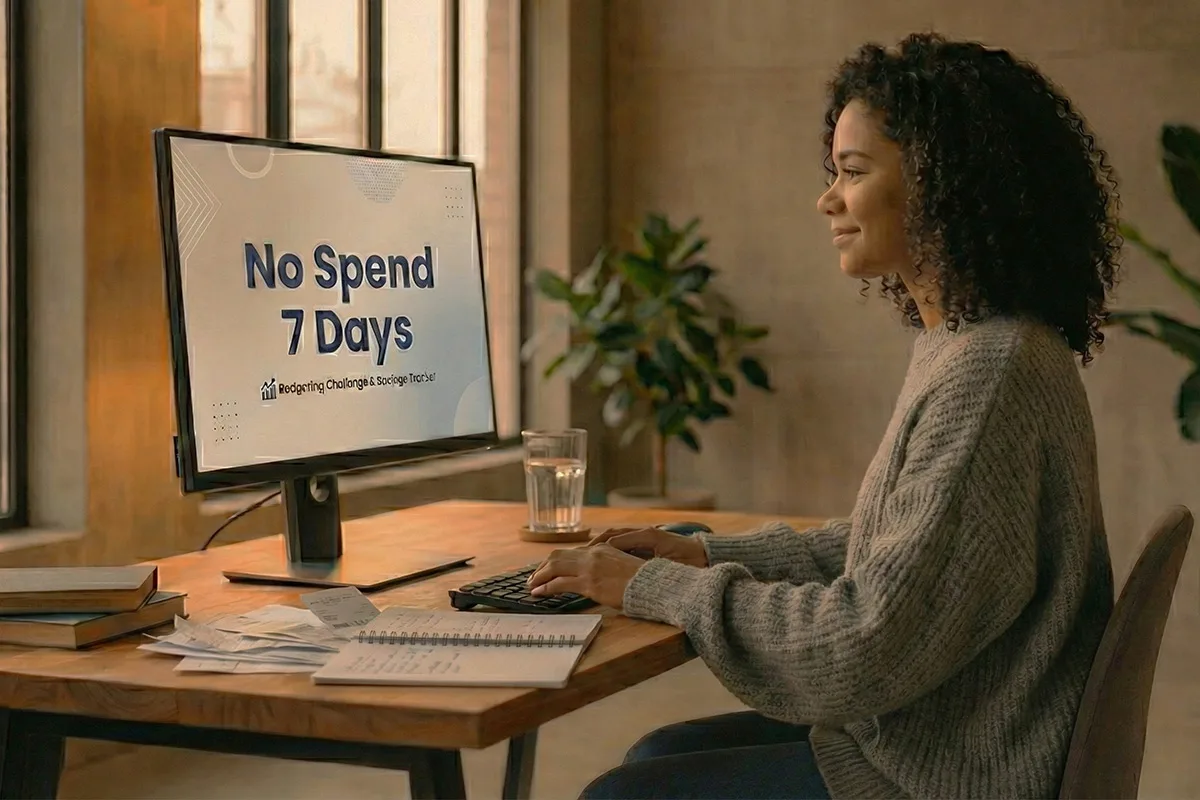
Taking control of finances is something many strive for but often find challenging, especially when it comes to debt payoff. Recently, I embarked on a personal experiment called the “no spend challenge” to see how it would impact my outlook and methods for managing money. Over the course of seven days, I refrained from any non-essential purchases, a decision that transformed my understanding of spending habits and accelerated my journey towards financial freedom.
What Is the No Spend Challenge?
The no spend challenge is exactly what it sounds like: a set period during which you commit to spending no money on anything beyond essential expenses like rent, utilities, groceries, and transportation. This means no dining out, no online shopping, and skipping those little impulse buys that tend to sneak into daily life. Typically chosen intervals range from a weekend to an entire month, but the seven day version offers a manageable and insightful introduction.
The core purpose of this challenge is not to create restriction for its own sake but to foster awareness around spending habits and build momentum toward bigger financial goals.
Fast Money Moves People Use to Tackle Debt Faster
When debt starts piling up, most people don’t overhaul their entire life — they look for simple ways to bring in a little extra money and gain momentum. One of the smartest tricks is stacking quick payouts from easy online tasks and putting that money straight toward balances. From short surveys to apps that pay instantly, these are some of the easiest ways people chip away at debt without feeling overwhelmed.
| Offer | Earning Potential | Task | Don’t Miss Out |
|---|---|---|---|
InboxDollars |
$225/month | Complete Surveys | Get Started |
FreeCash |
$1,000/month | Simple Online Tasks | Get Started |
GoBranded |
$140/month | Share Your Opinion | Get Started |
Kashkick |
$1,000/month | Try Out Apps | Get Started |
Solitaire Cash |
Up to $83 per win | Compete against players | Download Now |
Bingo Cash |
Up to $83 per win | Compete against players | Download Now |
How the No Spend Challenge Helps in Debt Payoff
When you’re in debt, especially if the balances are high or the interest rates are overwhelming, every dollar counts. Participating in a no spend challenge naturally forces you to reconsider what you truly need versus what you want, keeping your budget focused and disciplined.
Here’s how the challenge directly supports debt payoff efforts:
1. Heightened Spending Awareness
During the no spend challenge, you become hyper aware of your money. Every minor urge to buy something unnecessary becomes a moment of reflection. This heightened mindfulness often reveals patterns such as daily coffee shop visits or frequent online sales that subtly drain your finances.
2. Reallocating Funds Toward Debt
By cutting out discretionary spending for a week, the money you save can be instead allocated for debt payments. Even a few small adjustments can add up — perhaps $20 you would have spent on takeout can be put toward lowering a credit card balance.
3. Breaking Impulse Buying Habits
Impulse purchases can be a significant sinkhole for finances. The no spend challenge disrupts these habits by forcing you to pause and reconsider wants versus needs, which over time builds control and reduces unnecessary expenses that slow down debt payoff.
My Personal Experience Trying the No Spend Challenge
At first, I thought going seven days without buying anything non-essential would be difficult, but it quickly became a revealing exercise. I realized how often I’d reach for my wallet out of boredom or habit rather than real necessity.
I prepared by listing essentials I could not avoid, mainly groceries and bills, then set clear rules for myself, such as no eating out or buying clothes or gadgets. I also removed shopping apps from my phone which helped reduce temptation.
Unexpected Lessons Learned
A New Appreciation for Non-Material Joys
Without the regular distractions of shopping or dining out, I found myself spending more quality time with family and engaging in free activities like walking or reading. It reminded me that joy and satisfaction don’t always come with a price tag.
Debt Is Weighing People Down
See how they’re paying down balances with these 15 money moves >>
Improved Financial Confidence
Completing the no spend challenge gave me a boost of confidence in managing my money. It proved that I could live simply and still enjoy life, strengthening my resolve to tackle debt aggressively.
An Enhanced Budgeting Mindset
The week helped me re-evaluate my budget honestly and identify where money leaks occurred. Equipped with this insight, I updated my debt repayment plan to be more realistic and focused.
Tips for Successfully Completing a No Spend Challenge
1. Plan Ahead.
Identify your essential spending and prepare meals or tasks that prevent unplanned purchases.
2. Remove Temptations.
Unsubscribe from marketing emails, delete shopping apps, and avoid places where you usually spend money.
3. Stay Accountable.
Share your commitment with friends or find a community taking the same challenge for motivation and support.
4. Track Your Progress.
Keep a journal or use an app to note how you feel and what you learn each day.
Continuing the Momentum Beyond Seven Days
Completing the no spend challenge doesn’t have to be a one time event. Incorporating mini “no spend” periods monthly or quarterly can reinforce good habits and accelerate debt payoff progress.
Additionally, maintaining the habit of questioning purchases and prioritizing savings creates a healthier relationship with money and fosters long term financial stability.
Final Thoughts
The no spend challenge was more than just a week without spending unnecessary money — it was a catalyst for intentional living and smarter financial decisions. For anyone struggling with debt, it offers a practical, empowering way to reset spending habits, put more money toward paying down balances, and regain confidence in financial management. If you’re seeking a fresh approach to personal finance, this challenge might just be the tool you need to change how you view money and debt once and for all.


Posted by
Drake Hollis