


 The Budget Line Items Everyone Forgets — Until It Blows Up the Month
The Envelope Method Mistakes People Still Make in 2026
The envelope method is a tried and true budgeting technique that helps you stay in control of your spending, but many still make common envelope method budgeting mistakes in 2026 that can hold back their financial progress. By understanding and avoiding these pitfalls, you can make your budgeting more effective and reach your goals faster.

Posted by
Nova Dempsey
Published
December 2, 2025
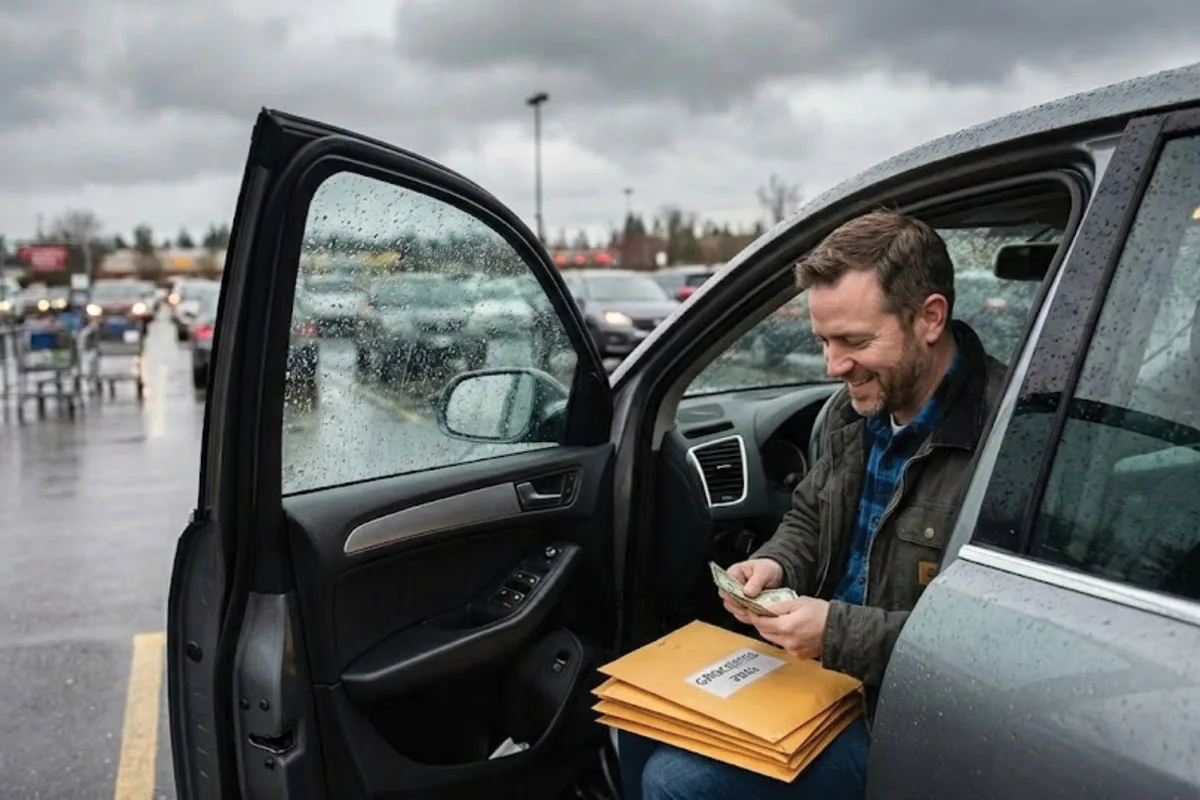
Managing personal finances effectively requires not only discipline but also the right strategies. One popular approach that has withstood the test of time is the envelope method. This simple yet powerful budgeting technique involves allocating cash for different spending categories into separate envelopes, helping individuals control their expenses physically and visually. However, despite its simplicity, many people continue to make envelope method budgeting mistakes in 2026 that hinder their financial progress. Understanding these pitfalls can help you use the method more effectively and reach your financial goals faster.
Understanding the Envelope Method and Its Appeal
The envelope method is straightforward: assign a specific amount of cash to each spending category such as groceries, transportation, entertainment, and bills. Once the money in an envelope is gone, you can’t spend more in that category until the next budgeting cycle. This tactile approach promotes awareness of spending habits and prevents overspending, especially on discretionary expenses.
Its simplicity and tangible nature attract many, but this does not guarantee flawless execution. Budgeting mistakes still occur, often due to misunderstandings or overlooked nuances of the method.
A Simple Money Boost People Use to Make Budgeting Easier
Sticking to a budget is tough when every dollar already has a job. That’s why so many people look for small, low effort ways to bring in extra money that gives their budget some breathing room. From short surveys to simple online tasks to apps that pay instantly, these quick wins make budgeting feel less stressful and a lot more manageable.
| Offer | Earning Potential | Task | Don’t Miss Out |
|---|---|---|---|
InboxDollars |
$225/month | Complete Surveys | Get Started |
FreeCash |
$1,000/month | Simple Online Tasks | Get Started |
Kashkick |
$1,000/month | Try Out Apps | Get Started |
Prime Surveys |
$300/month | Complete Surveys | Get Started |
Swagbucks |
$200/month | Simple Online Tasks | Get Started |
Common Envelope Method Budgeting Mistakes to Avoid in 2026
1. Not Adjusting Budget Envelopes Regularly
One frequent mistake is sticking rigidly to the same amounts month after month without reconsidering changing circumstances. Inflation, new financial obligations, or adjustments in lifestyle can all impact how much you realistically need in each envelope. Treat your budget as a living document—review and adjust the amounts regularly.
Failing to update envelopes can lead either to persistent overspending or underutilization of funds that could be reallocated to savings or debt repayment.
2. Ignoring Digital Alternatives
Many people cling exclusively to cash envelopes despite the increasing convenience of digital solutions. While the envelope method originated as a strictly cash based approach, incorporating digital envelopes can enhance flexibility and security.
Ignoring electronic budgeting tools in 2026 is a missed opportunity. Apps that mimic envelope budgeting allow you to segment funds virtually while tracking spending in real time. This hybrid approach appeals especially to those who rarely use cash but like the discipline of envelope budgeting principles.
3. Overstuffing Envelopes with Cash
Some people assume that putting large sums of money into an envelope is safer or more motivating. This can backfire, however. Carrying or storing substantial amounts of cash increases the risk of loss or theft. Moreover, it creates a false sense of financial security that may encourage premature spending.
Instead, allocate only what is necessary per category based on your actual budget needs, and keep surplus funds in your bank account or savings.
4. Not Including All Expense Categories
Another budgeting mistake is failing to create envelopes for all relevant budget items. People may forget irregular but predictable expenses like quarterly insurance premiums, annual subscriptions, or unexpected medical copays.
If these expenses are not included in your envelope system, they might force you to dip into other envelopes or rely on credit cards, which defeats the purpose of controlling your budget.
To avoid surprises, list all your expenses — fixed, variable, and irregular — and allocate accordingly. Create special envelopes labeled for occasional costs that don’t occur monthly.
Budgets Are Tighter Than Ever
See how people make their budgets work with 15 simple money moves >>
5. Using the Envelope Method Without a Clear Financial Goal
Budgeting is most effective when tied to clear financial goals such as debt elimination, emergency fund building, or saving for a big purchase. Applying the envelope method without identifying what you’re working toward can result in aimless budgeting with minimal motivation.
Set priorities before filling your envelopes. For example, designate an envelope strictly for debt repayment, allocating any surplus funds there. This focused approach boosts discipline and helps maintain momentum over time.
How to Use the Envelope Method Successfully in 2026
Set Realistic and Flexible Budgets
Start by tracking your expenses for a month to understand where your money goes. Use this data to set realistic amounts for each envelope. Be prepared to adjust as life changes.
Combine Cash and Digital Solutions
If you are comfortable with cash, use physical envelopes. Otherwise, rely on secure apps that replicate the envelope system virtually. Some apps can link to your bank accounts and automatically categorize spending, giving you both control and convenience.
Plan for All Income and Expenses
Consider all sources of income and every expense type, including irregular or seasonal costs. This comprehensive approach reduces surprises and budget shortfalls.
Review and Reflect Monthly
At the end of each month, review your spending. Did you overspend in entertainment or underspend on groceries? Use these insights to tweak your envelopes.
Link Budgeting to Meaningful Goals
Keep your financial goals visible—whether through notes, vision boards, or goal-tracking apps—to help maintain your motivation and stay committed to your envelope system.
Final Thoughts
While the envelope method remains an effective budgeting tool in 2026, avoiding common pitfalls is essential. Many people fall into routine budgeting mistakes such as neglecting to update budgets, ignoring digital tools, overstuffing envelopes, excluding certain expenses, or lacking financial goals. By recognizing these errors and proactively addressing them, you can harness the envelope method’s full potential. With clarity, flexibility, and commitment, this age old technique can still be your pathway to financial peace and control in the modern age.


Posted by
Nova Dempsey