



 I Moved My Savings to a High Yield Account — This Is What Happened
The Hidden Bank Fee I Didn’t Notice Until Last Month
Hidden bank fees can quietly drain your account balance, often going unnoticed until you take a close look at your statement. Discover how common account charges like inactivity fees might be sneaking in and learn simple ways to avoid unnecessary costs.

Posted by
Drake Hollis
Published
November 26, 2025
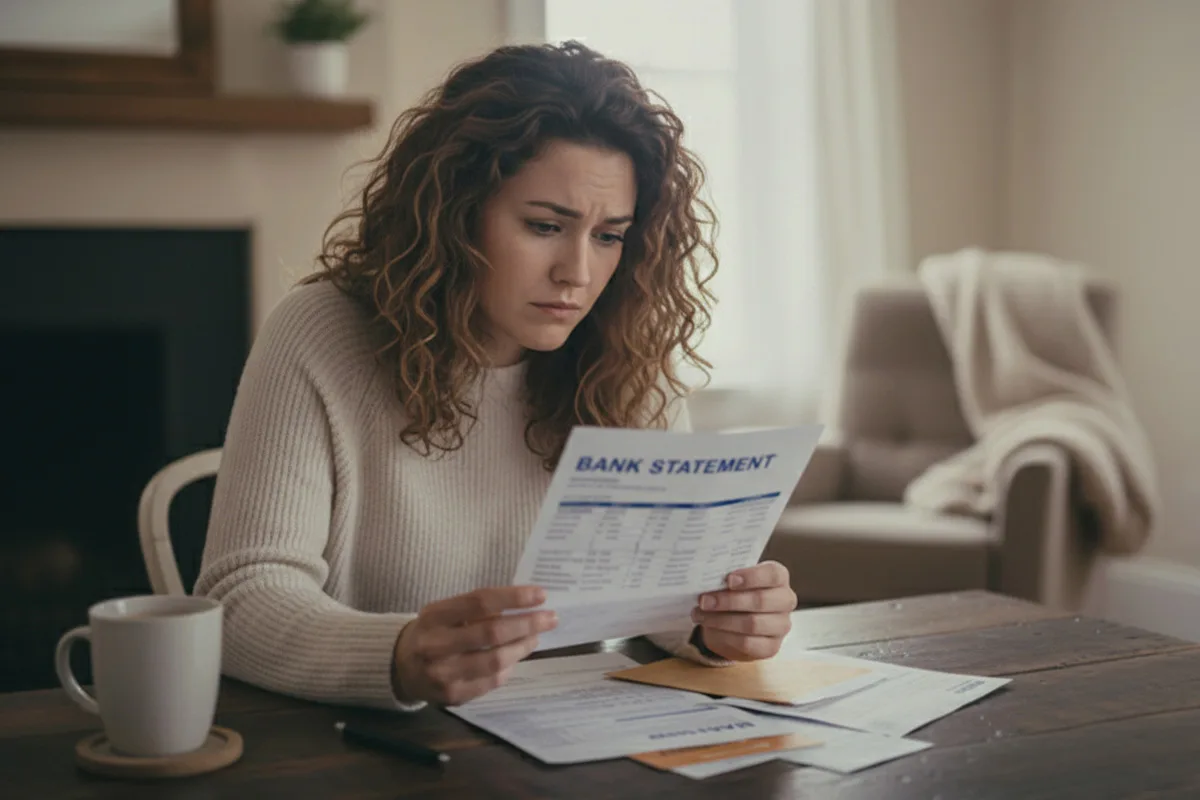
Unexpected charges on your bank statement can be frustrating, especially when they sneak in unnoticed over time. Many customers assume that their accounts are free from extra costs unless explicitly informed, but hidden bank fees can sometimes slip under the radar. This article explores the lesser known types of account charges that can quietly chip away at your balance, how to identify them, and what steps you can take to avoid unnecessary expenses.
Understanding Common Bank Fees and Account Charges
Banks provide a variety of products—checking accounts, savings accounts, credit cards, and loans—each potentially carrying its own fees. While some fees are clearly stated when you open an account, others are less obvious or buried in fine print. Common bank fees include overdraft charges, monthly maintenance fees, ATM withdrawal charges, and inactivity fees. However, hidden bank fees often go unnoticed because they are either very small or occur infrequently.
Some of the more subtle account charges could be linked to paper statement delivery, foreign transaction fees, or charges applied after a certain number of transactions within a month. For customers who don’t regularly review their statements, these fees accumulate quietly.
Earn Extra Money Without Touching Your Paycheck
A lot of people want to keep more money in their bank account — the challenge is figuring out where to get those easy extra dollars that don’t drain your budget. Turns out, tons of people quietly stack small earnings from quick online tasks and let it sit in their account as “found money.” From short surveys to simple apps that pay instantly, these are some of the easiest ways people boost their balances.
| Offer | Earning Potential | Task | Don’t Miss Out |
|---|---|---|---|
InboxDollars |
$225/month | Complete Surveys | Get Started |
FreeCash |
$1,000/month | Simple Online Tasks | Get Started |
GoBranded |
$140/month | Share Your Opinion | Get Started |
Kashkick |
$1,000/month | Try Out Apps | Get Started |
Solitaire Cash |
Up to $83 per win | Compete against players | Download Now |
Bingo Cash |
Up to $83 per win | Compete against players | Download Now |
The Hidden Bank Fee I Didn’t Notice Until Last Month
I discovered a hidden bank fee on my account after a routine check of my monthly statement. It was a relatively minor charge labeled as an “inactive account fee.” Since I didn’t use that particular savings account frequently, I assumed it was excluded from such charges. But my bank’s terms stated that if no transactions occur within 12 months, a fee is applied to cover administrative costs.
What made this fee so insidious was how little it cost—just a few dollars. Because the charge was small, it wasn’t immediately noticeable unless I scrutinized my statement line by line. Over the prior year, I had allowed the account to remain dormant, unintentionally accumulating these fees. Eventually, the balance shrank to near zero, prompting me to finally dig deeper.
How to Identify and Prevent Unexpected Bank Fees
Being proactive about reviewing your bank statements is crucial. Here are some tips to help you identify and avoid hidden charges on your accounts:
1. Monitor Statements Regularly
Set a habit of checking your online account statements monthly. Look out for any unfamiliar or small deductions labeled vaguely. In many cases, fees for services you might consider complimentary, like paper statements, mail payments, or even balance inquiries at ATMs, show up unexpectedly.
2. Understand Your Bank’s Fee Schedule
Every financial institution provides a fee schedule or disclosure document that lists all potential charges. Reading this document carefully will give you a clearer picture of what to expect. Pay special attention to fees that kick in after a certain number of transactions or if your account balance falls below a minimum threshold.
Bank Fees Are Climbing — Is Yours?
See how they’re padding their accounts with these simple moves >>
3. Communicate with Your Bank
If you notice new or unfamiliar charges, call your bank’s customer service. Sometimes fees can be reversed or waived, especially if it’s your first time incurring them. Also, ask about ways to avoid such fees, like switching to a different account type or opting for electronic statements.
4. Consolidate Accounts
Maintaining multiple bank accounts, especially those with low balances or inactive status, can increase the risk of hidden fees. Consolidate your funds into fewer accounts or close inactive ones to minimize unnecessary charges.
5. Set Up Alerts
Many banks offer free alerts for low balances, large transactions, or impending fees. Enabling these notifications can keep you informed in real time, helping you take action before fees hit your account.
Why Banks Charge These Fees
From the bank’s perspective, account charges often cover operational costs associated with maintaining your account. For example, processing paper statements or mailing checks incurs expenses. Inactivity fees encourage customers to keep accounts active or close unused ones, reducing administrative overhead. While these fees might seem unfair, understanding their rationale can help you better manage your finances.
Final Thoughts: Stay Informed and Vigilant
Hidden bank fees can feel like a financial pitfall, but they are avoidable with diligent account management. Regularly reviewing your statements, understanding fee schedules, and maintaining active communication with your bank empower you to protect your money. Being aware of all the small account charges that can add up over time is a key step toward financial wellness.
Next time you check your bank statement, don’t just glance over the numbers—look carefully at every line item. That small “account maintenance” or “service fee” could be the hidden charge quietly undermining your hard earned money. With awareness and vigilance, you can ensure your banking relationship is transparent and cost effective.


Posted by
Drake Hollis