


 How to Get a Free Credit Score Without Signing Up for a Card
The Secret to Paying Off Debt When You’re Already Broke
Struggling with debt payoff on a low income can feel overwhelming, but small, consistent steps and smart budgeting can help you regain control and start reducing what you owe—no matter how tight your finances are.

Posted by
Aria Vale
Published
November 21, 2025
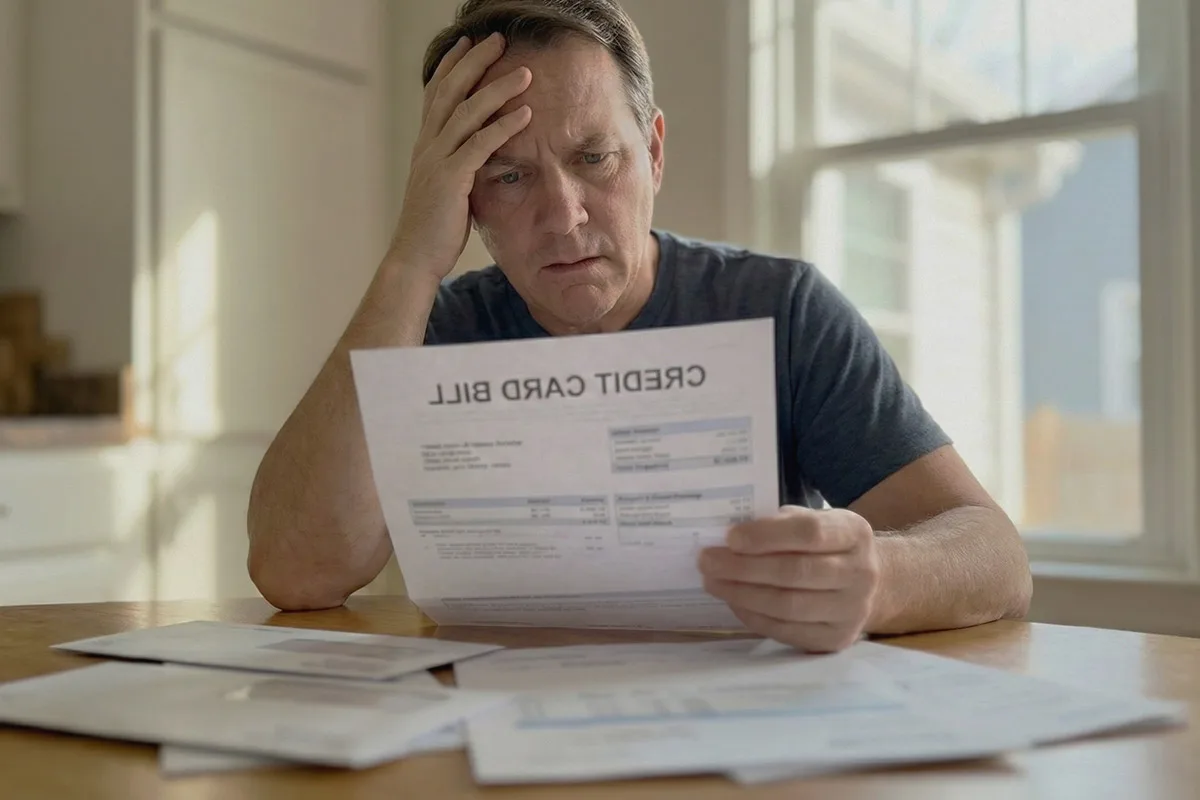
Managing personal finances is a challenge for many, but it can feel nearly impossible when you’re trying to achieve debt payoff on a low income. When funds are scarce and bills pile up, the stress of debt can be overwhelming. However, there are practical strategies and mindset shifts that can help you chip away at debt, regardless of your financial constraints.
Understanding the Challenge of Debt Payoff on a Low Income
When your income barely covers essentials like rent, food, and utilities, the prospect of reducing debt might seem out of reach. Many people in this situation fear talking about money or creating budgets because it highlights the gap between earnings and expenses. But facing your financial reality head-on is the first step toward meaningful progress.
Debt payoff doesn’t necessarily mean making large payments at once or having extra cash on hand. Instead, it often requires smart planning, creativity, and patience — focusing on consistent progress rather than quick fixes.
Fast Money Moves People Use to Tackle Debt Faster
When debt starts piling up, most people don’t overhaul their entire life — they look for simple ways to bring in a little extra money and gain momentum. One of the smartest tricks is stacking quick payouts from easy online tasks and putting that money straight toward balances. From short surveys to apps that pay instantly, these are some of the easiest ways people chip away at debt without feeling overwhelmed.
| Offer | Earning Potential | Task | Don’t Miss Out |
|---|---|---|---|
InboxDollars |
$225/month | Complete Surveys | Get Started |
FreeCash |
$1,000/month | Simple Online Tasks | Get Started |
Kashkick |
$1,000/month | Try Out Apps | Get Started |
Prime Surveys |
$300/month | Complete Surveys | Get Started |
Swagbucks |
$200/month | Simple Online Tasks | Get Started |
Practical Steps to Start Debt Payoff When You’re Broke
1. Make a Realistic Budget Based on Actual Income and Expenses
Creating a budget is fundamental. But more important than just listing numbers is ensuring it reflects your true situation. Start by gathering all income sources and fixed expenses, then estimate variable costs like groceries and transportation. Include minimum debt payments, even if they are small.
Tracking every dollar you spend can reveal patterns or expenses that can be trimmed. For example, cutting back on subscription services or finding cheaper grocery options can free up even a few dollars, which can contribute to debt payoff over time.
2. Prioritize High Interest Debt First
When resources are limited, it’s essential to prioritize paying off debt with the highest interest rates. Credit cards, payday loans, and some personal loans usually have higher rates, causing debt to grow quickly unless paid down aggressively.
Even if you can only pay the minimum on some debts, try to allocate extra funds to the highest interest debts to reduce the overall financial burden. This strategy, known as the avalanche method, saves money on interest and shortens the payoff timeline.
3. Negotiate with Creditors for Better Terms
Many people don’t realize that lenders are often willing to work with borrowers struggling financially. Contact your creditors to discuss hardship programs, reduced interest rates, or temporary payment plans. Sometimes, you can secure a lower minimum payment or a deferment period without penalty.
This step can lower your monthly payments to a manageable level, helping you avoid late fees and additional charges. Feeling supported by creditors can also relieve some emotional stress associated with debt.
4. Increase Income in Small but Consistent Ways
While your primary income might be fixed, finding small supplementary income sources can accelerate debt payoff. Simple side gigs like online surveys, tutoring, crafting, or freelancing can add a few extra dollars each week.
Additionally, selling unused items around the house is a quick way to generate cash without investing extra time. Each extra dollar earned can be directly funneled into debt payoff rather than non-essential spending.
Debt Is Weighing People Down
See how they’re paying down balances with these 15 money moves >>
5. Automate Debt Payments to Avoid Missed Deadlines
Setting up automatic minimum payments ensures you never miss deadlines, avoiding late fees that worsen debt. Even if it means starting with minimum amounts, automation builds consistency.
As income improves or expenses are managed better, increase these automated payments gradually. The predictability also makes budgeting easier because you know exactly how much is being deducted for debt.
The Psychological Aspect of Debt Payoff When You’re Broke
Debt isn’t just a financial issue; it heavily impacts mental health. Feelings of shame, anxiety, or hopelessness can deter people from facing their finances or seeking help. Recognizing that debt payoff is a marathon, not a sprint, helps you stay motivated.
Celebrate small wins, such as paying off a single credit card balance or saving an emergency fund, to build confidence. Surround yourself with supportive people or consider joining online communities focused on financial empowerment. Sharing goals and progress can reduce isolation and foster accountability.
Long Term Benefits Beyond Clearing Debt
Successfully managing debt payoff on a low income doesn’t just improve credit scores — it can transform your overall financial literacy and habits. The discipline and knowledge gained can help prevent future debt cycles, making it easier to build savings and invest in long-term financial goals.
Moreover, reducing debt stress positively influences other areas of your life, including relationships, work productivity, and emotional resilience. The peace of mind that comes from financial progress is invaluable.
Final Thoughts
Paying off debt while living on a tight budget is undeniably tough, but it’s far from impossible. With a realistic budget, strategic prioritization, creditor communication, and incremental increases in income, steady progress is achievable. Remember, the secret to debt payoff when you’re already broke lies in taking small, consistent steps and cultivating a mindset of patience and determination. Small efforts compound over time, creating a pathway from financial struggle to stability.


Posted by
Aria Vale