



 The Home Insurance Gaps Most People Don’t Notice
Why Homeowners Are Switching to “Energy First” Upgrades
Homeowners are embracing energy first upgrades to slash utility bills and boost comfort, all while making smart home improvements that benefit both their wallets and the planet. Discover how these energy first upgrades can transform your home into a more efficient, eco friendly haven.

Posted by
Ronan Slate
Published
December 3, 2025
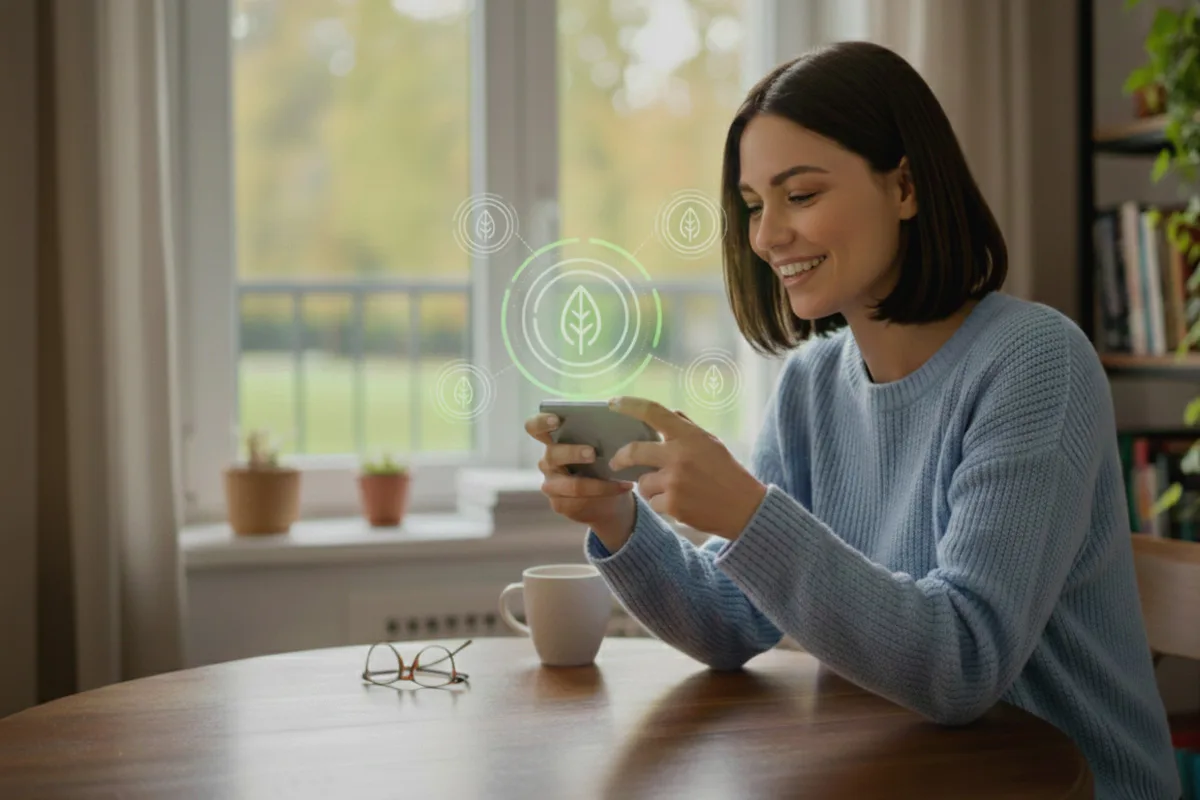
As energy costs continue to rise and environmental concerns become more pressing, homeowners are increasingly looking for ways to make their living spaces more efficient and sustainable. One prevailing trend that has gained significant momentum in recent years is the adoption of energy first upgrades. These smart home improvements prioritize energy efficiency, helping homeowners reduce utility bills, increase comfort, and contribute to a greener planet.
What Are Energy First Upgrades?
Energy first upgrades refer to home improvement measures that focus primarily on reducing energy consumption and maximizing efficiency. Unlike traditional renovations that might emphasize aesthetics or increased space, energy first upgrades prioritize systems and modifications that enhance how a home uses energy—from heating and cooling to lighting and appliances.
Examples of these upgrades include installing energy efficient windows, adding superior insulation, upgrading HVAC systems, switching to LED lighting, and incorporating smart thermostats. Collectively, these improvements help create a more sustainable and cost effective living environment.
Find Lower Home Repair Costs in Your Area
Most homeowners never hear about the hidden rebates, region specific incentives, and “demand offset” discounts available for major home repairs. But comparison tools make it easy to uncover these offers — helping you save thousands on projects like roofing, showers, siding, and more.
Entering your zip code takes seconds and instantly checks whether your area qualifies for reduced pricing.
| Service | Location | Benefit | Website |
|---|---|---|---|
Window Replacement |
Eligible Zip Codes | Compares Deals | Visit Website |
Roof Replacement |
Eligible Zip Codes | Compares Deals | Visit Website |
Shower Replacement |
Eligible Zip Codes | Compares Deals | Visit Website |
Siding Replacement |
Eligible Zip Codes | Compares Deals | Visit Website |
Bathroom Remodeling |
Eligible Zip Codes | Compares Deals | Visit Website |
Gutter Replacement |
Eligible Zip Codes | Compares Deals | Visit Website |
Why Energy First Upgrades Are Gaining Popularity
Rising Energy Costs and Financial Incentives
One of the biggest drivers behind the shift toward energy first upgrades is the growing expense of energy. With utility bills taking a larger slice of monthly budgets, homeowners are incentivized to seek out solutions that lower their consumption. Investing in energy efficient systems can drastically cut monthly costs, with many upgrades paying for themselves over time through energy savings.
Additionally, governments and utility companies often offer rebates, tax credits, and incentives that make these upgrades more affordable. This makes an energy first approach an economically smart decision rather than just a long term environmental one.
Enhanced Home Comfort and Performance
Energy first upgrades don’t just save money—they also improve the overall comfort of the home. Better insulation and sealing mean fewer drafts and more consistent indoor temperatures. High efficiency HVAC systems maintain warmth during the winter and coolness during the summer without the high energy consumption associated with older systems.
Smart home improvements like programmable thermostats can adjust heating and cooling schedules based on occupancy, ensuring energy isn’t wasted when no one is home. These factors combine to create a living space that feels better year round while requiring less energy.
Increasing Awareness of Environmental Impact
More homeowners want to reduce their carbon footprint. Fossil fuel based energy sources contribute to greenhouse gas emissions which accelerate climate change. Energy first upgrades allow homeowners to actively contribute to environmental preservation efforts by cutting down on energy waste.
Using less energy means fewer emissions from power plants and a lighter strain on natural resources. As public awareness grows about climate change and sustainability, energy first upgrades have become a powerful and tangible way for individuals to make a positive impact.
Common Energy First Upgrades to Consider
Efficient Insulation and Weatherization
One of the simplest ways to reduce energy consumption is to improve the building envelope—the walls, roof, windows, and doors. Adding high quality insulation and sealing any leaks prevent heat from escaping during the winter and keep cool air inside during the summer. Weatherization helps stabilize indoor temperatures, reducing the need for excessive heating or cooling.
Many Homeowners Don’t Realize They Can Access Cash
Check how much you could unlock in minutes >>
Upgrading to Energy Efficient Windows
Replacing old, single pane windows with multiple pane, low emissivity (low E) glass can significantly reduce heat transfer. These energy efficient windows reduce drafts, minimize heat loss, and even contribute to soundproofing.
Smart Thermostats and HVAC Improvements
Smart thermostats have become one of the most popular smart home improvements on the market. These devices learn household routines, adjust temperatures automatically, and can be controlled remotely via smartphones. Pairing a smart thermostat with an energy efficient heating and cooling system can dramatically lower energy usage.
LED Lighting and Smart Lighting Controls
Switching out traditional incandescent bulbs for LED lighting cuts energy use by up to 80%. Coupling this with smart lighting systems that allow for motion sensor activation, dimming, or scheduling, ensures that lights are only used when needed.
Renewable Energy Integration
For many homeowners, energy first upgrades are incomplete without adding a renewable energy component such as solar panels. Although this can represent a bigger initial investment, solar integration allows for significant long term savings and often qualifies for additional incentives.
How Smart Home Improvements Enhance Energy Efficiency
Energy first upgrades are often enhanced by smart home technology. Smart home improvements automate and optimize energy consumption seamlessly. By monitoring usage in real time and making adjustments without human intervention, these systems ensure maximum efficiency, comfort, and convenience.
For example, smart sensors can detect when rooms are unoccupied and turn off lights or reduce heating to those zones. Sophisticated energy management systems can balance energy consumption across various appliances to keep overall usage minimal and reduce peak demand charges.
Final Thoughts
As the benefits of energy first upgrades become more evident, more homeowners are embracing this approach to home improvement. By prioritizing energy efficiency through strategic renovations and smart home improvements, they gain financial savings, improved comfort, and a positive environmental impact. This trend showcases how modern homeowners are blending technology, sustainability, and smart budgeting to create homes that are both comfortable and responsible for years to come.


Posted by
Ronan Slate